


Seren Healthcare
11 November 2026 · 6 min read
If you are caring for a child or young person with complex needs, you probably wear several hats at once. You are a parent, a nurse, a care coordinator, and an advocate, often before breakfast. You may be managing medication, feeding tubes, or breathing equipment, while also chasing appointments, completing paperwork, and trying to be present for everyone else in the family.
Nobody should do all of that alone. We would like to tell you about how complex care at home can share the load, and what Seren Healthcare Solutions offers in Wales and England.
The weight families carry
Caring full time for a child with complex needs affects almost every part of family life.
- Physical and emotional strain. Lifting, overnight monitoring, medication, and constant vigilance can leave parents with very little uninterrupted sleep, and the risk of burnout is real.
- Pressure on relationships. There is often little time left for partners, friends or other children, who may feel overlooked or take on more responsibility than is fair for their age.
- Financial worry. One parent may reduce their hours or give up work, while costs for equipment, adaptations, transport and heating continue to rise.
- A maze of services. Families often repeat the same information to doctors, therapists, schools and social workers, and then wait a long time for assessments or equipment.
- Too little respite. Finding someone with the right skills to look after your child, so you can rest, is hard. Many parents feel unable to leave their child with anyone who lacks the necessary training.
None of this reflects a lack of love. It reflects how much is being asked of one family.
What complex care at home looks like
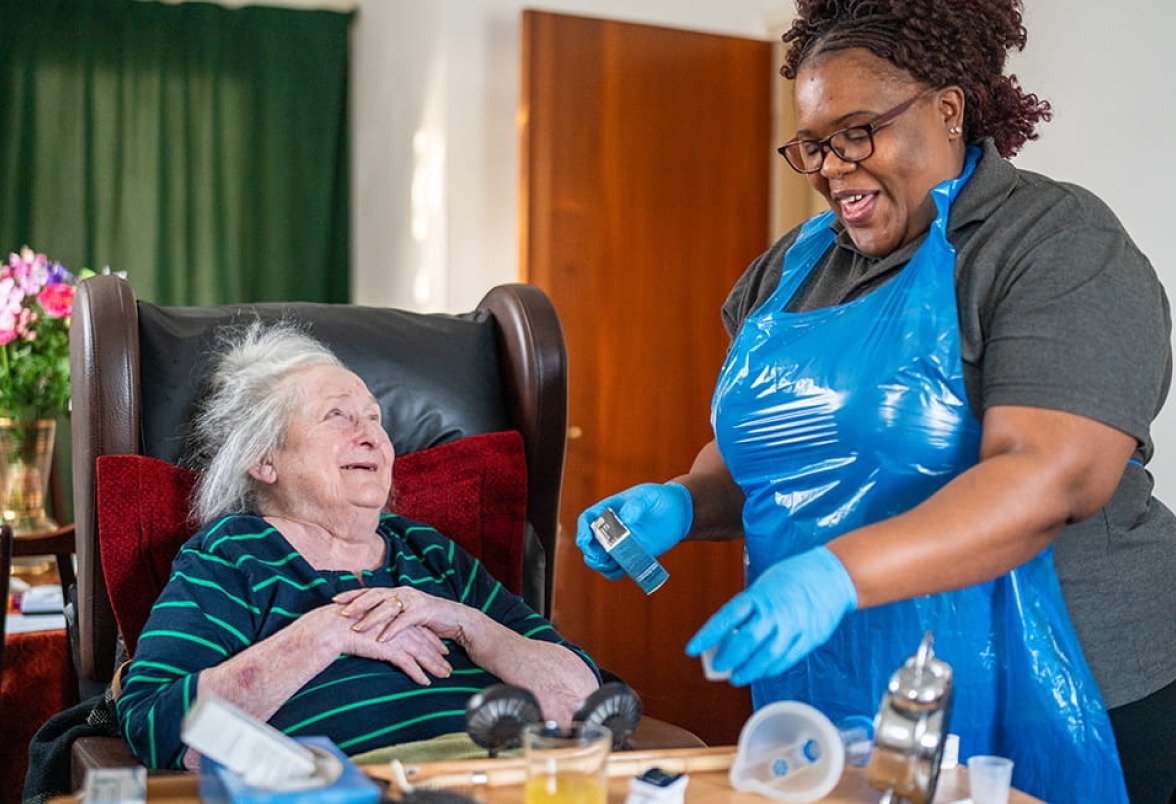
Complex care is specialist, clinically led support for people with significant, ongoing health needs. At Seren, it is nurse-led, so the people overseeing your child’s care understand the clinical side as well as the personal side. It can include support such as PEG feeding, continence care, tracheostomy and ventilator care, and complex medication routines, delivered in the home your family already knows.
Every package begins with a care needs assessment. We listen to the young person, their parents and the professionals already involved, so the plan reflects who they are and what matters to them, not only their diagnosis. It is then reviewed regularly, because children grow and need change.
From there, support can be shaped to fit your family:
- Visiting complex care: trained carers who come at agreed times, from a single daily call to several visits.
- Respite care: planned breaks, from a few hours to a longer stay, so parents can rest, attend appointments or spend time with their other children.
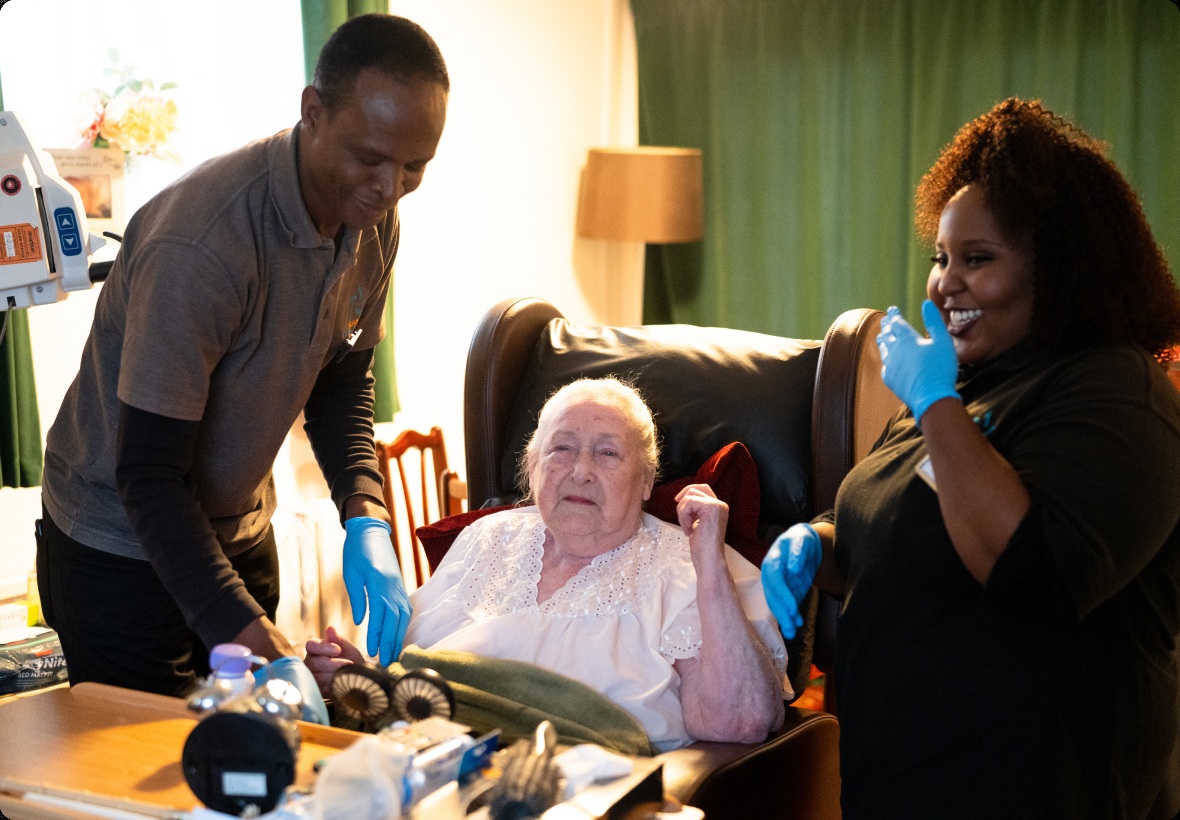
- Specialist live-in care: a dedicated carer living in the home to provide continuous, one-to-one support, with a consistent face your child can get to know and trust.
- Supported living in England: for young people moving towards adulthood, our accessible, community-based tenanted properties offer a form of assisted care living, with staffed support in a home-like setting.
Why care at home can make such a difference
The benefits go beyond the clinical.
Your child stays in familiar surroundings. Their own room, routines, family and belongings can be reassuring, particularly for children who find change distressing.
The family stays together. Care at home means parents and siblings can remain part of daily life, rather than fitting around visiting hours.
Parents can be parents again. When trained carers share practical tasks, you can spend more of your time simply being with your child.
There is one coordinated team. Clear care plans, consistent carers and regular communication reduce how often you have to explain everything from scratch.
Rest becomes possible. Reliable respite and overnight support can protect your health, your relationships and your ability to keep going.
Two nations, one standard of care
Seren provides complex care to adults in their own homes in both Wales and England. Our services in Wales are regulated by Care Inspectorate Wales (CIW), and in England by the Care Quality Commission (CQC).
The difference for families is this: in England, Seren is also registered to care for minors. Our registration to support children is held in England only, so if you are in Wales and looking for care for a child, please contact us and we will talk through what is possible. We would rather be clear with you at the start than leave you uncertain later.
Here are some of the questions we get asked:
“Can I trust someone new with my child?” It is natural to feel protective. All Seren staff are DBS-checked, referenced and trained before they work with us, and we match carers to the individual wherever we can. You will have the chance to ask questions before care begins, and to tell us if the fit does not feel right.
“Will carers be able to manage my child’s medical needs?” Specialist training matters here, and we are open about what each carer is and is not competent to do. Our nurse-led oversight includes signing off our own staff’s competence for the clinical tasks your child needs.
“Is home really safer than a hospital or residential setting?” The answer depends on your child’s needs. For many families, well-planned care at home is a safe and positive option, and your care needs assessment will help show whether it is right for you. If your child’s needs are better met elsewhere, we will say so.
“What happens as my child gets older?” Moving from children to adult services can feel daunting. Because Seren supports young people and adults, we can help plan the transition and keep carers and routines as consistent as we can.
“How is it paid for?” Funding varies. Some packages are funded by local authorities or the NHS, some privately, and some through personal injury compensation. We can talk you through the routes that may apply, and we always recommend checking what you are entitled to.
Take the first step
You do not need to have it all worked out. Call us, tell us about your child and your family, and we will arrange a care needs assessment with no pressure and no obligation.
Call 01633 526 711 or email info@serenhealthcaresolutions.co.uk.
Seren Healthcare Solutions: care that puts people first